Le magazine et marché mondial pour les passionnés de voitures classiques, par des passionnés.
Le magazine et marché mondial pour les passionnés de voitures classiques, par des passionnés.


Filter
Faites votre choix:
- Voir les voitures
-
Marque >>
-
Année >>
-
-
Catégorie >>
- Voir les motos
-
Année >>
-
- Voir les pièces et plus
-
Marque de la voiture >>
-
Constructeur >>
-
Catégorie >>
-
Pays



"Batmobile in a Tuxedo"
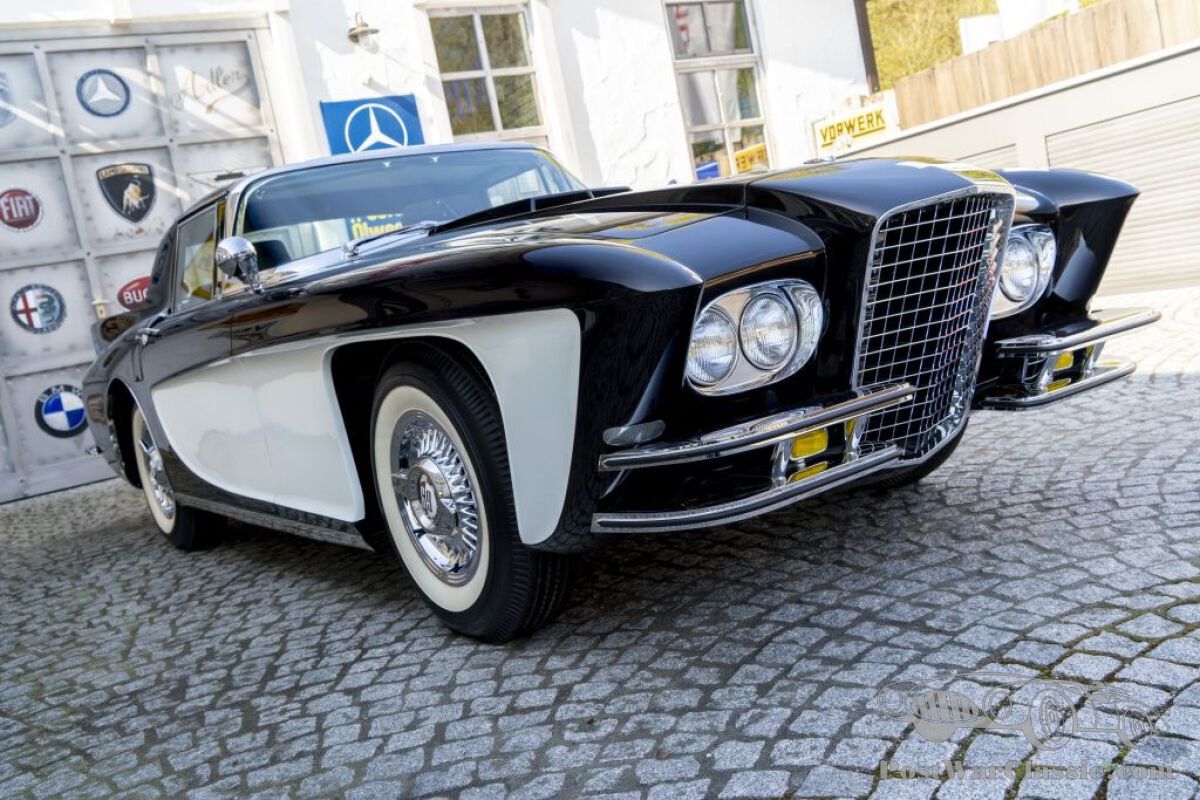
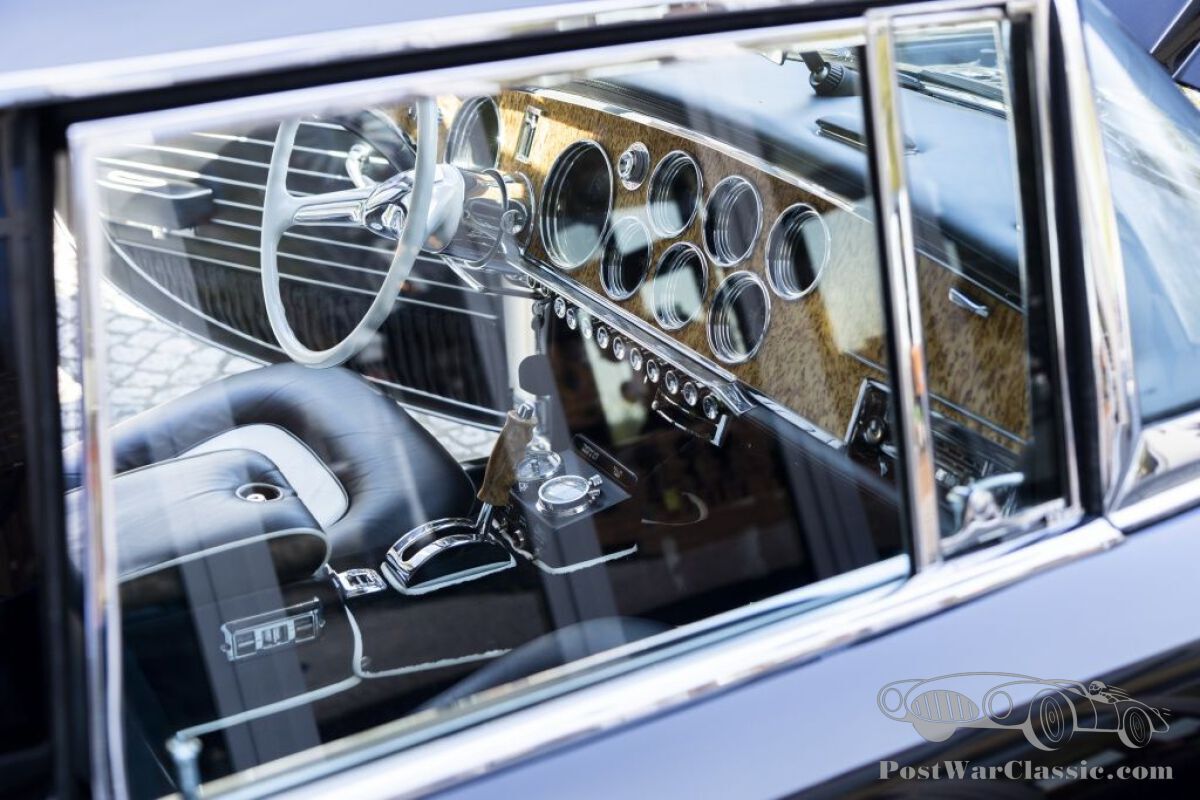
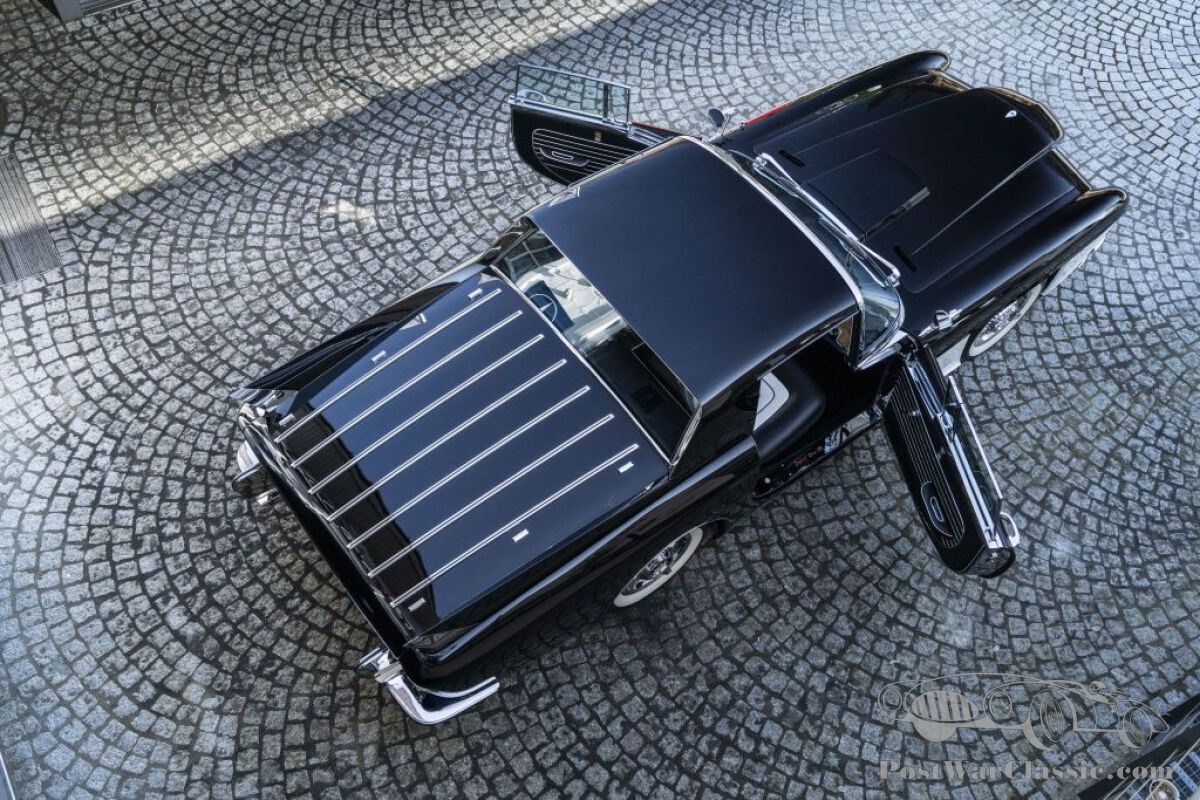
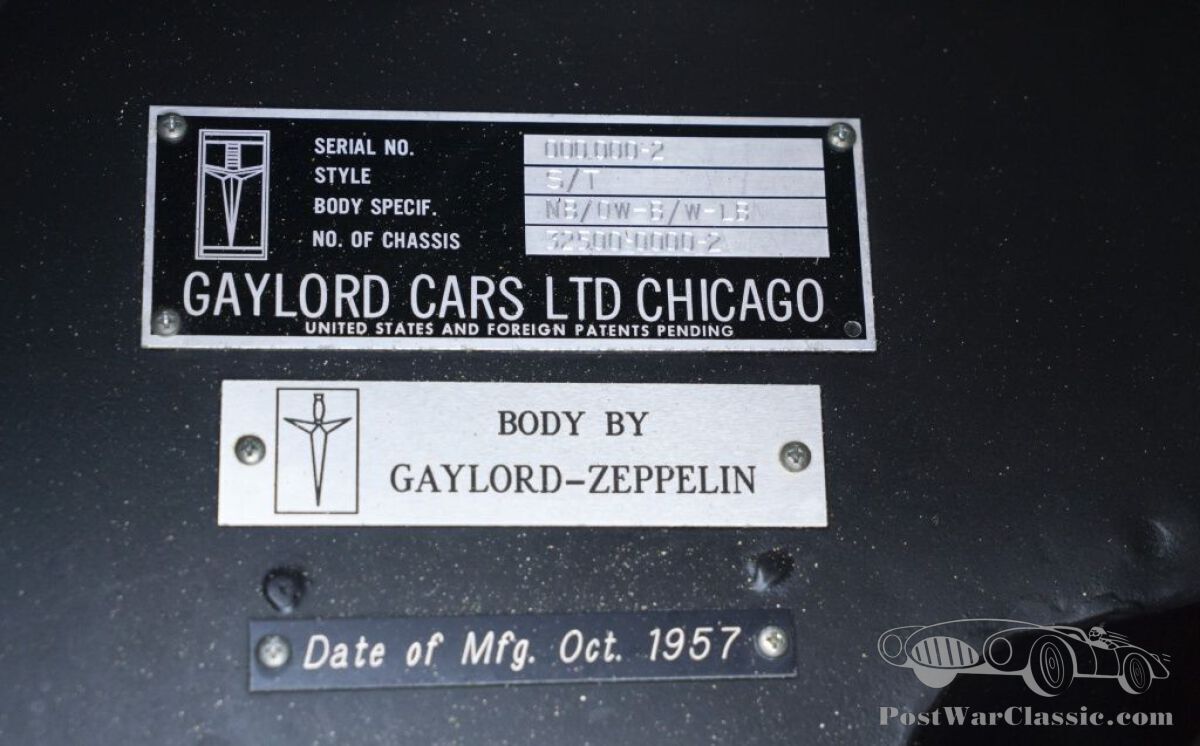
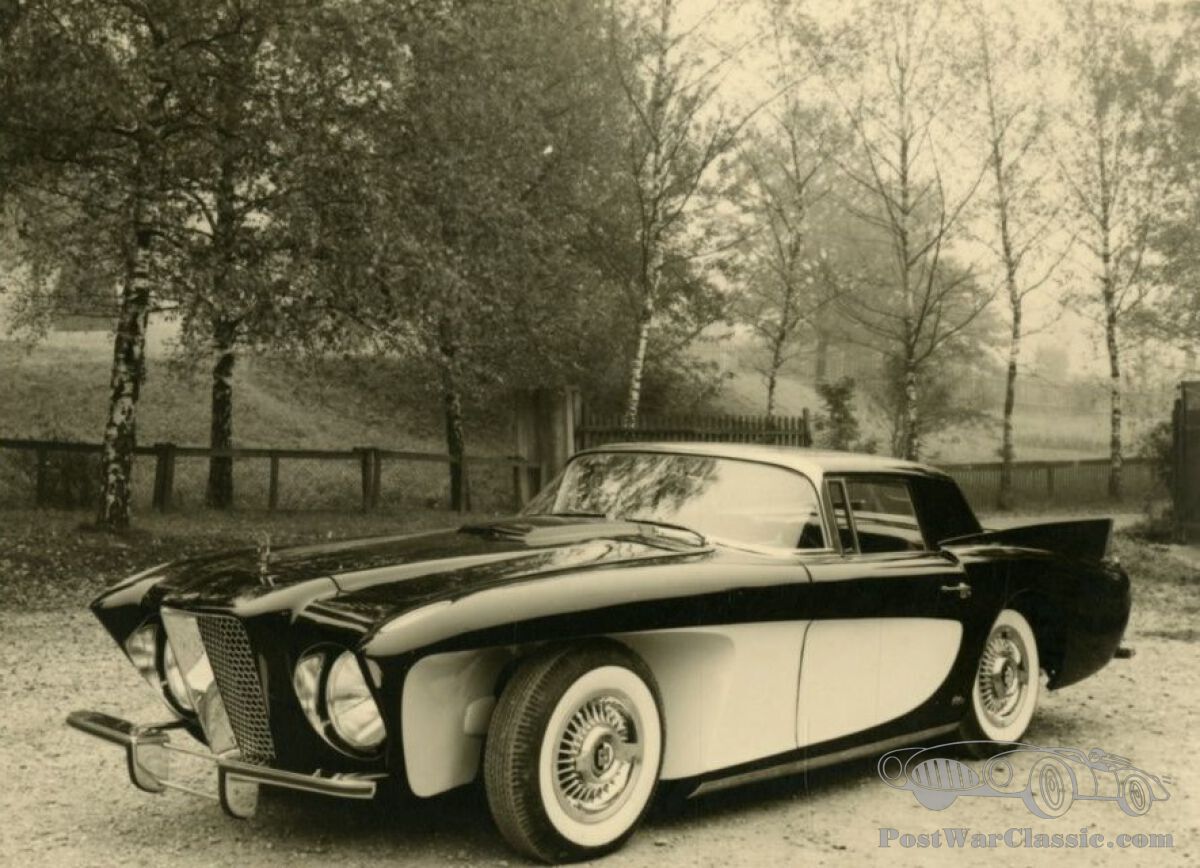
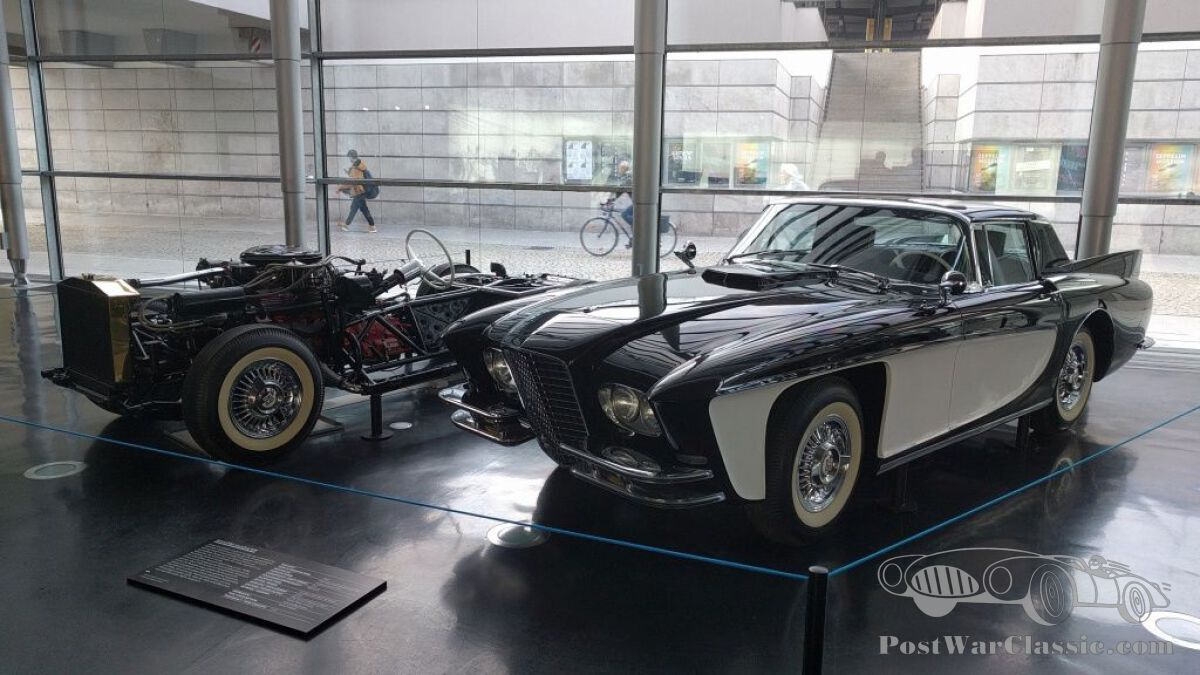


The German city of Friedrichshafen is nicknamed the Zeppelin City because Count Ferdinand Zeppelin made his pioneering lighter-than-air airships there. For a few years now, visitors to the Zeppelin Museum have been greeted by a flamboyant American show car known as the Gaylord-Zeppelin. Its story has been told in great detail in the latest issue of Rare & Unique Vehicles.
Gaylord Zeppelin
“Someday I hope to build the world’s finest motorcar,” the great automotive stylist Alex Tremulis recalled in his first meeting with James (Jim) Gaylord, as recounted in Automobile Quarterly in 1974. During the 1970s and 1980s other magazines, such as Special Interest Autos, also covered the dream car of Jim and his brother, Ed Gaylord. These articles offer a nice introduction, but there’s much more to learn. In 2017, the Zeppelin GmbH acquired the car, along with a second chassis. The company provided these to the Zeppelin Museum as a “permanent loan”. The acquisition included over 50 boxes of documentation. Researching the contemporary correspondence revealed some interesting tidbits about the automotive efforts of the Gaylord brothers.
Toward the end of 1954 Jim Gaylord, whose family’s wealth came from hairpins, paid a series of visits to Brooks Stevens Associates near Milwaukee, Wisconsin. His idea was to produce that would surpass Cadillac, Lincoln, Rolls-Royce, and Mercedes. His target price was $10,000. The only other car in America at that price point was the Lincoln Continental Mark II. Development time was short, though, as Stevens intended to hold the car’s debut at the next Paris Auto Show, in October 1955. From a quarter-scale model, the Gaylord car went straight into prototype form. The task of building the car was entrusted to the Spohn company, as Stevens had a pleasant experience with them.
The technical features of the Gladiator were way ahead of their time. The spare wheel, for example, was hidden in a compartment beneath the trunk and could be slid out and onto the roadway in moments, without the unfortunate gentleman getting dirt on his clothes. The real highlight was the roof, though: an electrically retracting hardtop, which raised and lowered with a single button and a single motor.
Underneath the daring exterior was a sporting car boasting a semi-back bone step-down frame with a space-frame center section made of chrome-molybdneum tubing. The frame was coated internally with rust inhibitor, and then all the tubes and channels were sealed to make interior corrosion through condensation nearly impossible – in the best Rolls-Royce–like tradition. Front suspension used coil springs and a live axle, while leaf springs were used at the rear with leather covers for protection. The car was powered by a Cadillac V-8 coupled with a GM four-speed Hydra-matic transmission, modified so that when the accelerator pedal was floored in Drive, the transmission didn’t shift until peak revs were reached in each gear.
The Paris Gladiator show car featured a gladiator’s sword in a rectilinear form as a hood ornament. It received rave reviews from the press, and orders came rolling in from the likes of Emperor Bao-Dai of Vietnam; Farouk I, the former King of Egypt; Grace Kelly, the Princess of Monaco; and film noir legend Dick Powell. The cost of the Gladiator ballooned from the intended $10,000 to $17,500 (around U.S. $200,000 or EUR 170,000 today), making it one of the most expensive cars of its day. It was significantly more expensive than a contemporary Rolls-Royce Silver Cloud.
The next step was to prepare for small-scale series production. But instead, a lawsuit was brought by Jim Gaylord against Spohn. What happened is a matter of interpretation.
By the spring of 1956, Spohn was out of the picture and Fahrzeug-Instandsetzung (FIF), which soon was bought by Luftschiffbau Zeppelin, was in.
At the initial meetings in spring 1956, the Gaylords offered lucrative contracts: in addition to producing 10 cars within a year, FIF was offered the opportunity to produce prototypes for Brooks Stevens as well, including a Jeep-based minibus and a small military vehicle, similar in style to the Porsche 597.
The original Gaylord prototype was dismantled, and work got underway on a new model. A German engineer, Hermann Steinbach, was brought in as a liaison between Gaylord and FIF. Problems soon surfaced.
The months dragged on. The final deadline of December 15, 1956, passed and not a single prototype was completed. At the same time, costs skyrocketed.
By the summer of 1957, it became apparent that FIF was in no financial shape to finish the car. Final assembly was transferred to the Ottenbacher coachbuilding company in Biberach. This second car and a show chassis were the final products of the failed Gaylord automotive venture. Jim Gaylord sued FIF to the amount of DM 230,000 (roughly EUR 550,000 in today’s money), and the suit dragged on until 1961. Eventually, Jim had to be hospitalized with exhaustion, which marked the end of the Gaylord automotive business.
In 1959, the Gaylord-Zeppelin and the show chassis were placed in the Early American Museum in Silver Springs, Florida. This car museum closed its doors in 1983. By the late 1980s, the car was back in the possession of Jim Gaylord, who had it restored and sent it to numerous concours events. The Gaylord won its class at the 1992 Pebble Beach Concours d’Elegance. When Jim Gaylord died, the car and chassis eventually ended up with a collector in Arizona. He called the Zeppelin Museum in 2015 saying that as someone who was born in Germany he felt it was his duty to give the car back to the country where it was born. A settlement was reached and Zeppelin GmbH chipped in.
Today the car and chassis stand next to a Spohn-bodied Maybach Zeppelin in the museum, illustrating the automobile building capabilities of Zeppelin.
Sources: Zeppelin GmbH, Zeppelin Museum.
Publié:
vendredi septembre 17th, 2021
Facebook
LinkedIn
Twitter
WhatsApp
Email
Copy
Commentaires
Wayne Graefen
18 Septembre 2021, 20:11
Great article bringing collectors up to date on the whereabouts of this exceptional car and chassis. Thanks.
Lire la suite