Le magazine et marché mondial pour les passionnés de voitures classiques, par des passionnés.
Le magazine et marché mondial pour les passionnés de voitures classiques, par des passionnés.


Filter
Faites votre choix:
- Voir les voitures
-
Marque >>
-
Année >>
-
-
Catégorie >>
- Voir les motos
-
Année >>
-
- Voir les pièces et plus
-
Marque de la voiture >>
-
Constructeur >>
-
Catégorie >>
-
Pays


Meurtre et mystère : qu'est-il arrivé à l'Emperor Special ?
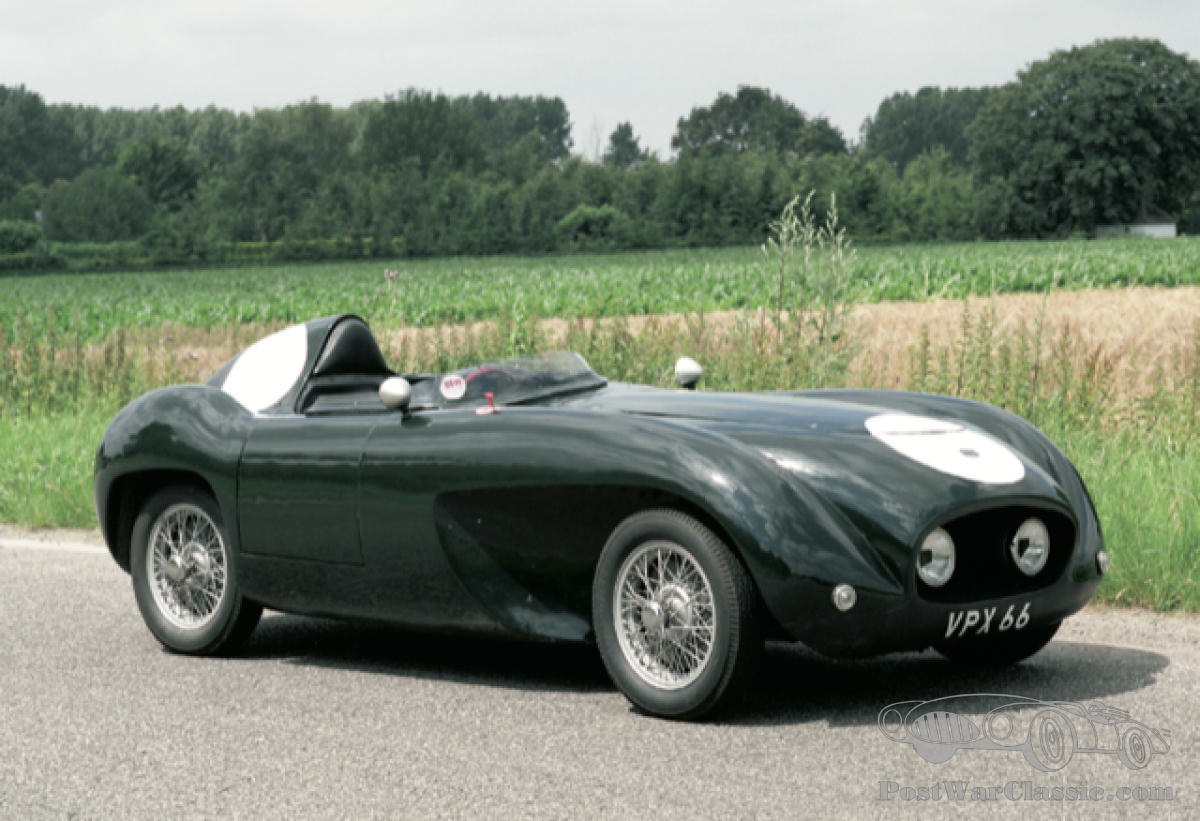
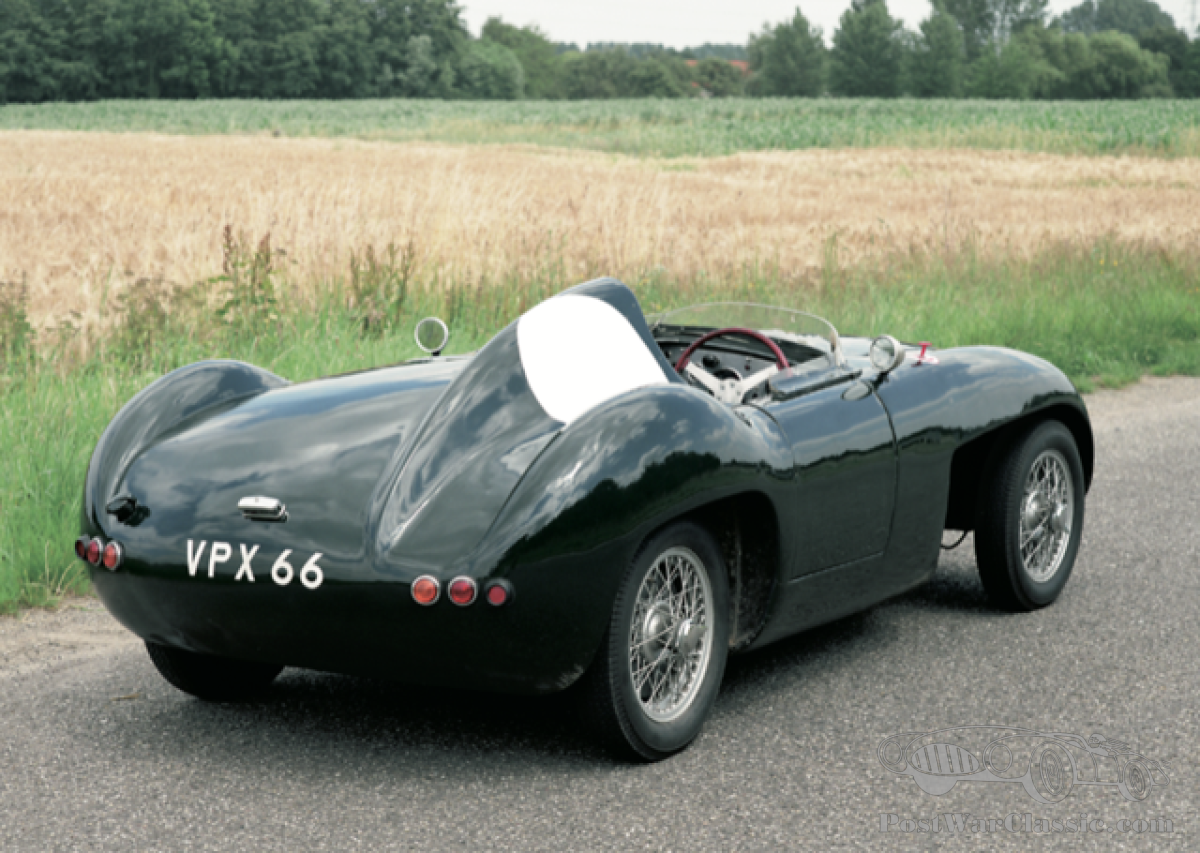


L’un des plaisirs d’avoir une archive, c’est qu’elle peut toujours vous réserver des surprises. On plonge à la recherche de quelque chose de précis et, chemin faisant, on tombe sur tout autre chose – totalement hors sujet, mais tout aussi fascinant. C’est ainsi que nous sommes tombés sur ces photos de la ravissante HRG que vous voyez ici, et elles nous ont immédiatement rappelé une histoire que nous avions écrite en 2018.
Cette voiture unique, connue sous le nom d’Emperor Special et anciennement immatriculée TPD 168, est entourée de mystère et d’intrigue, en plus des triomphes et tragédies qui jalonnent son histoire. Les personnages principaux de ce drame ? Le pilote David Blakely et la maîtresse de cabaret Ruth Ellis.
Dans nos propres écrits, nous racontions :
"Ellis fut exécutée après avoir abattu son fiancé Blakely en public, le 10 avril 1955. Blakely était le beau-fils de Sir Humphrey Cook, mécène d’ERA, et issu d’une famille aisée. Grand passionné de voitures de sport, il fit construire une voiture de course spéciale autour d’un tout nouveau moteur HRG 1500 twin-cam, censé développer 108 ch en configuration routière. La voiture fut réalisée par un ingénieur d’Aston Martin, un ami proche, sur un châssis tubulaire à structure spatiale, équipé d’une suspension avant Volkswagen, d’un pont arrière De Dion et d’une carrosserie en aluminium pleine largeur rappelant une Ferrari Monza. Blakely dépensa la majeure partie de son héritage pour cette voiture, ce qui ne plaisait guère à Ellis. Pourtant, il devait trouver que cela en valait la peine. Lors de ses débuts au Boxing Day Meeting de Brands Hatch en 1954, il termina à une très honorable deuxième place derrière la Lotus Mk. VIII à moteur Connaught de John Coombs. Il continua à courir avec la voiture, chaque course lui coûtant de plus en plus cher. Sa fiancée finit par en avoir assez. Quelques jours avant une course de Pâques à laquelle il s’était inscrit, elle l’attendit à la sortie d’un pub à Hampstead. Lorsqu’il en sortit, elle prit un revolver Smith & Wesson dans son sac à main et tira six fois. Il mourut sur le parking."
La voiture aurait été vendue sans son moteur peu de temps après le meurtre et la pendaison de Ruth Ellis, qui fut décrite à l’époque comme "La femme la plus calme jamais montée à l’échafaud". Elle réapparut à la vente en 1999, équipée d’un autre moteur et d’une nouvelle immatriculation, VPX 66.
Nous nous étions déjà posé la question il y a cinq ans : qu’est-elle devenue après cela ? Les photos de nos archives datent également de 1999, peu avant sa vente, après quoi elle semble avoir disparu. Aurait-elle refait surface récemment ?
Texte et photos d’archives : Jeroen Booij
Publié:
dimanche mars 16th, 2025
Facebook
LinkedIn
Twitter
WhatsApp
Email
Copy
Commentaires
William Mahany
15 Mars 2025, 13:28
The thing to remember here is that the Emperor was not, and is not considered, an HRG. It may have been called such, and even carried an HRG badge in period or now(?), but it never came from or went anywhere the HRG factory. The engine in it was owned by HRG and was their first attempt at making their own twin-cam engine. The engine was based on the long-stroke Singer-based unit used in their road cars which had a single-cam head. HRG loaned the experimental twin-cam engine to David Blakely, for trying out in his 1949 Le Mans Lightweight HRG that he had acquired from his local garage in Penn, Buckinghamshire. The engine would not fit in a standard-bodied HRG car, the wide-angle head being too wide with all its manifolds, but the Le Mans Lightweight body was ideal for it and his racing ambitions were felt a good place to test it. The garage owner bought all the 1949 Le Mans team cars circa 1950 and kept two. He then sold one to Blakely. He and Blakely then went racing with them which included some of the earliest Goodwood Nine Hour races. Blakely then fitted the twin-cam engine and, later, the same engine ended up in the Emperor. HRG probably knew this but they may not have scanctioned it! By then, they had also started developing another twin-cam engine based on the shorter-stroke Singer SM engine, no doubt using the experience from the first one. This was fitted to their own new, fully independent Twin Cam car model, with disc brakes, of which only four were made. That engine is not the same engine type as the engine in the Emperor. When Blakely was killed, HRG went down in their company Fordson van to swiftly remove the twin-cam engine from the Emperor and take it back. The engine was later sold (I have all the original correspondence on it) and it ended up in a chain-drive Frazer Nash. It was re-united with the 1949 Le Mans Lighteight in the late 1970s, where it remains to this day. I own all the original pattern-making from the long-stroke twin-cam HRG project. I have a twin-cam head, many spare parts and several experimental manifolds. I intend someday to make some more...
Lire la suite
Barry Morse
15 Juillet 2024, 19:28
I've just stumbled across this piece and recollect that in the very early 1960s, I saw a car for sale in Croydon, I think in the driveway of a large house in Addiscombe Road, which I was told was the Emperor Special. However, it was painted red, and I'm convinced it had twin headrests. The general appearance of the body was certainly similar to the car illustrated.
Does this ring a bell?
Lire la suite
Does this ring a bell?
Nicolas Van Frausum
18 Octobre 2023, 20:31
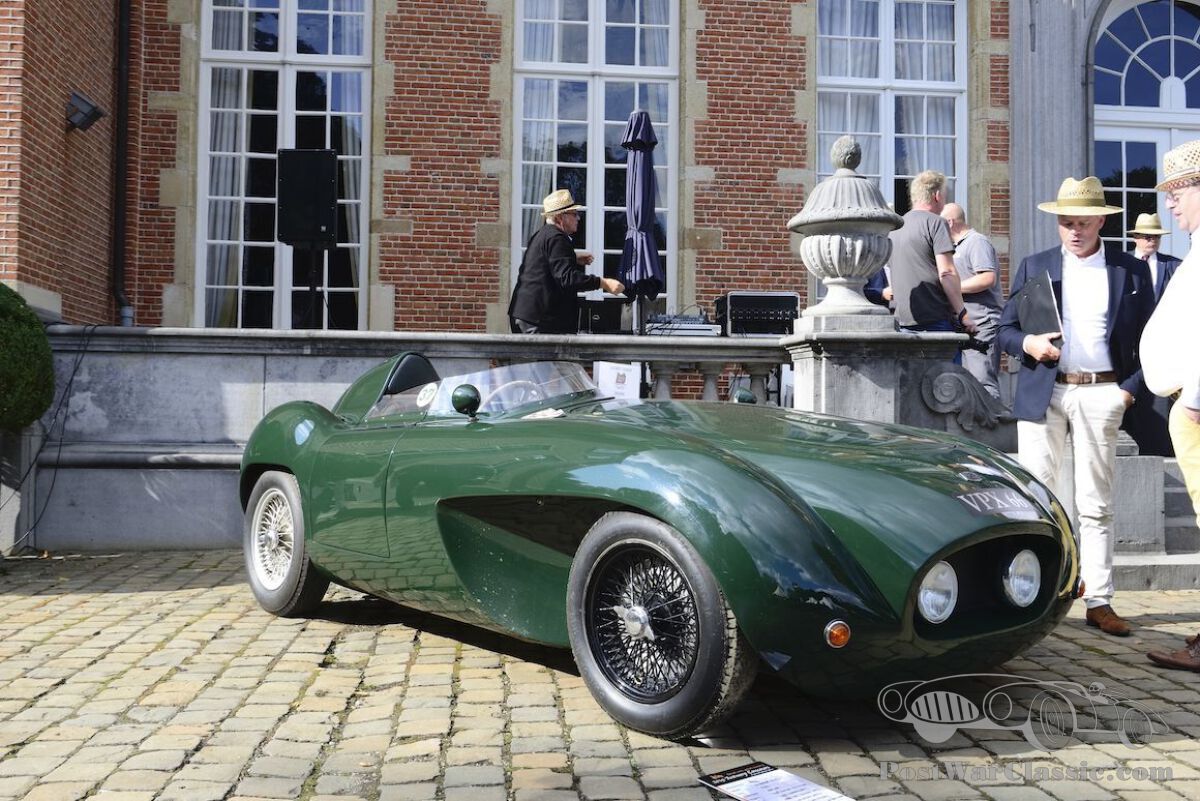
This HRG Emperor has never really disappeared from the radar and has been part of the well-known LMB Collection in Belgium for quite some time now. In recent years, the Emperor has been used in national and international rallies and in 2019 it was a competitor at the 15th Antwerp Concours (see picture attached ) the original aluminium body is hanging in the roof when entering the LMB workshop in Wommelgem near Antwerp.
Lire la suite