Le magazine et marché mondial pour les passionnés de voitures classiques, par des passionnés.
Le magazine et marché mondial pour les passionnés de voitures classiques, par des passionnés.


Filter
Faites votre choix:
- Voir les voitures
-
Marque >>
-
Année >>
-
-
Catégorie >>
- Voir les motos
-
Année >>
-
- Voir les pièces et plus
-
Marque de la voiture >>
-
Constructeur >>
-
Catégorie >>
-
Pays



Post-War Classic of the Week: 1969 Ashley GT Saloon
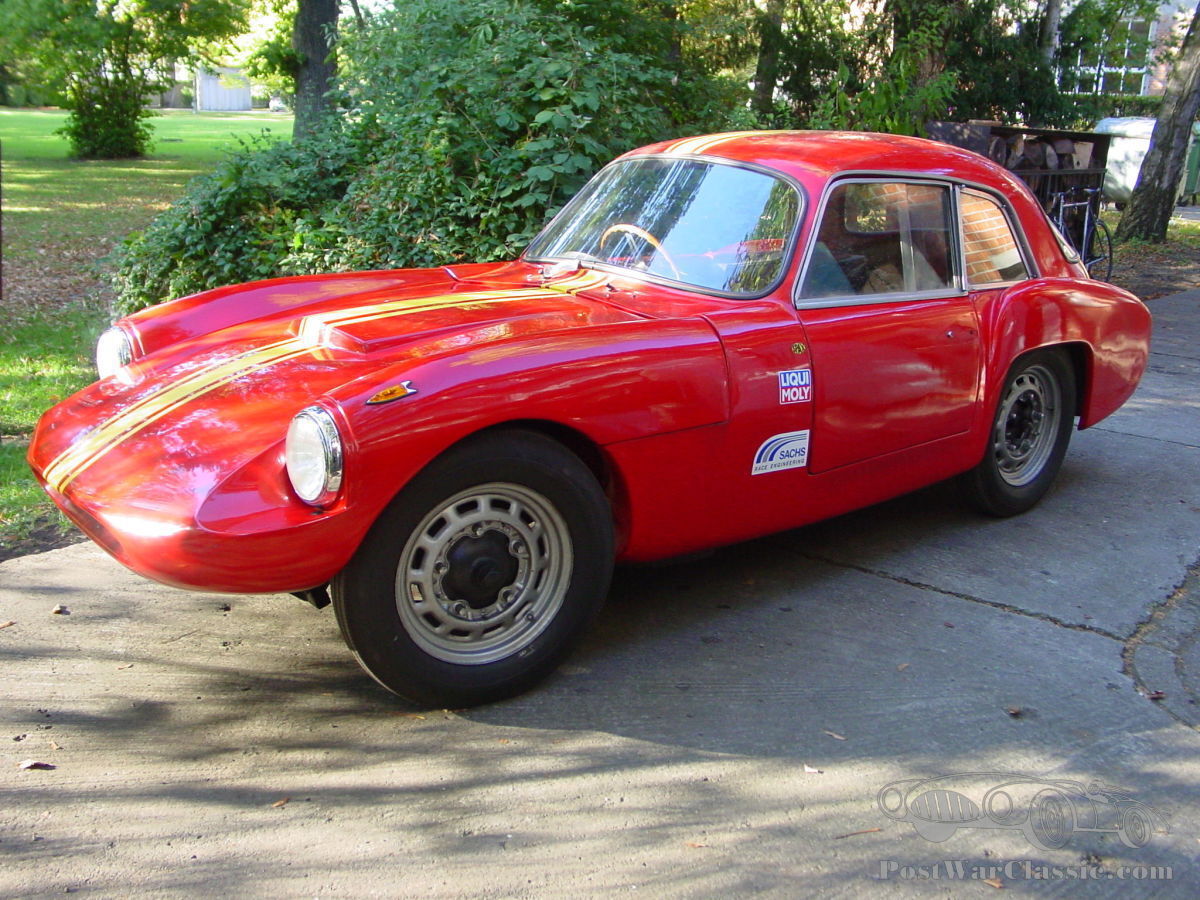

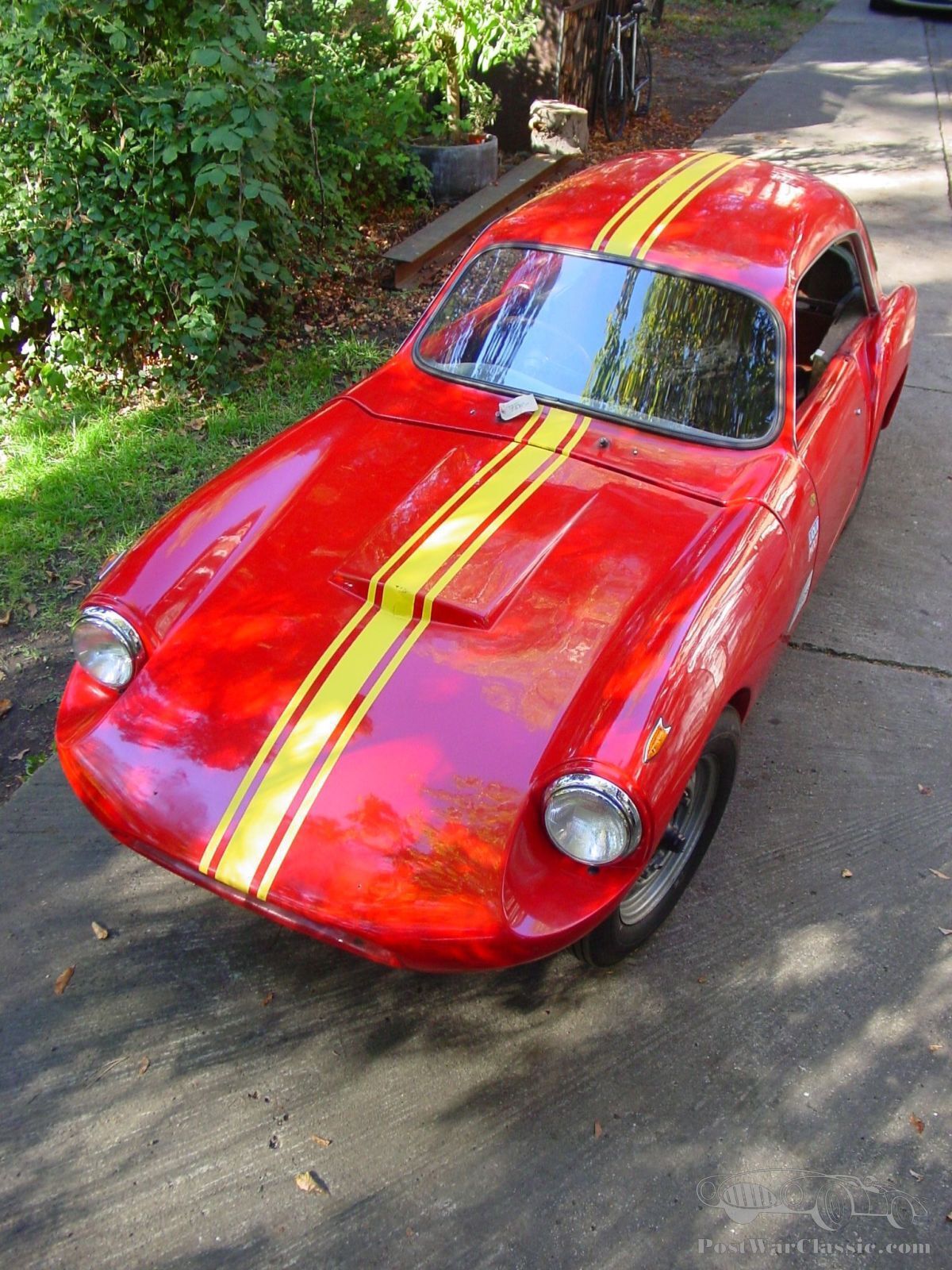

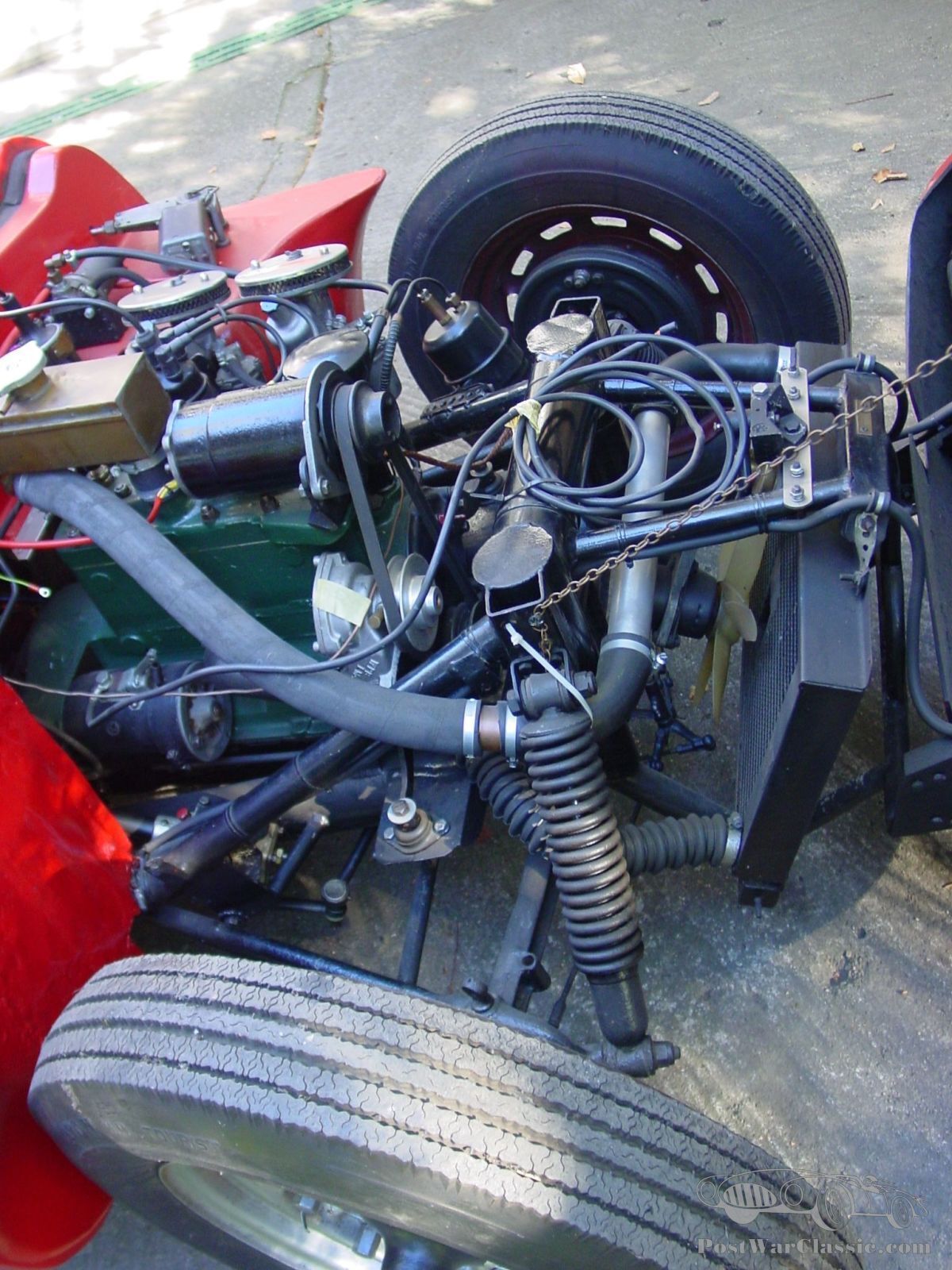
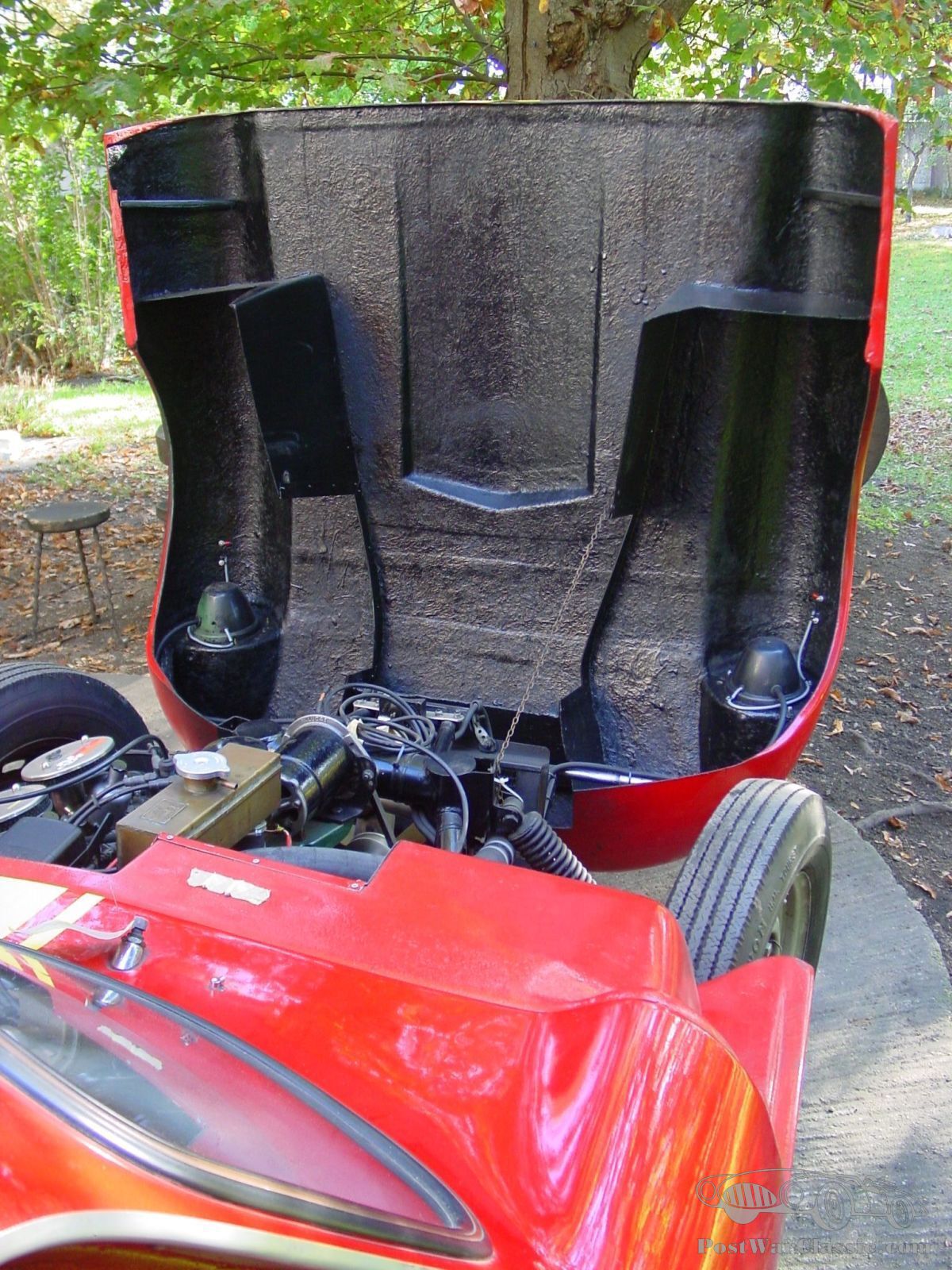
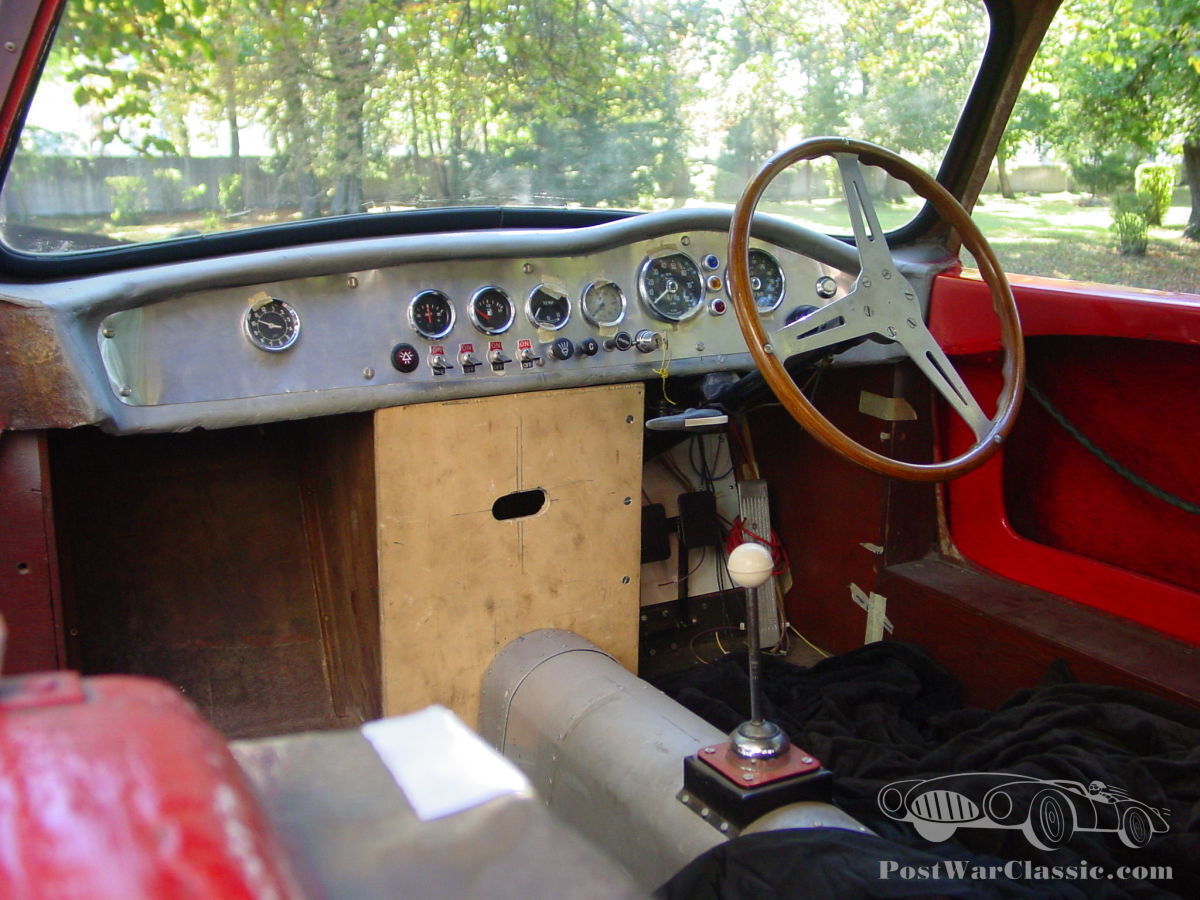


You might remember a puzzle that we had a few weeks ago, where we asked you to identify an Ashley GT. When scrolling through our marketplace, we noticed one is for sale. This is your chance to get this very rare kit car.
The only thing you might consider changing is the wooden dashboard but well, we all want a winter project right?
Ashley Laminates was founded by Keith Waddington and Peter Pellandine in 1955. The name “Ashley” was chosen as it was derived from the name of Peter Pellandine’s house "Ashleigh" in Woodford Green.
Their first premises were a small garage adjacent to the Robin Hood Public House, Epping New Road, Loughton. Despite the Loughton address, the premises were actually located about a mile from the town within Epping Forest. The building was located on the north side of the pub. It was demolished in the late 1960s so the “Robin Hood” car park could be enlarged. In late 1956 Peter Pellandine split from the partnership by amicable agreement and set up Falcon Shells, another specials company. Peter had wanted to own and grow his own company which he could eventually sell to emigrate.
Falcon Shells was originally based at 23 Highbridge Street, Waltham Abbey, adjacent to the Town Hall, premises which still remain. The company also had a showroom at 52 High Street, Epping, a building which has subsequently been demolished. It later moved to 150 Great North Road Hatfield. Peter Pellandine took with him the rights and tooling to manufacture the short wheelbase bodyshell for the Ashley 750 which he continued its production as the Falcon Mark 1 and the Sports Racer, which became the Falcon Mark II. The company subsequently produced other bodies until it ceased production in 1964.
After approximately two years, Ashley Laminates moved their body manufacture to the Potteries, Woodgreen Road, Upshire, retaining the “Robin Hood” premises as a showroom. Bert Miller who worked for Ashley Laminates whilst they occupied the premises adjacent to the “Robin Hood” says that, when they were based there, the first task of each day was to move completed shells outside to the front so they had room to do other work. The bodies then had to be returned at the end of the day.
It is not surprising, therefore, that the company moved to the larger premises in Upshire! According to Bert, when the company was first based in Upshire it had around nine employees. Towards the end of its time there, according to another worker Vic McDonald, it had grown to about 20 employees including the two or three normally based in the showroom.
There were three parts to the Upshire premises, the large mould shop where bodies were made, the small mould shop where smaller parts were produced and an assembly shop. In addition there was also a freestanding toilet similar to a portaloo which on one occasion was knocked over by a reversing BRS lorry which had called to collect some finished bodies to deliver to customers. Fortunately there was nobody in it at the time! There was also an open area where bodies could be stored. Sometimes, if there were no customer orders to fulfil, staff would produce models on spec and these would be left here. If a body had been left outside for a while, it required a lot of cleaning before it could be delivered.
On 1 January 1961 the company opened new premises at Bush Fair, Harlow, but the following year production of bodies ceased. The company, however, continued to manufacture fibreglass hardtops and bonnets for sports cars. Keith Waddington died a premature death in the mid-60’s and around 1972 the company was wound up.
See the advertisement here.
Source: Ivor Coster
Publié:
lundi novembre 12th, 2018
Facebook
LinkedIn
Twitter
WhatsApp
Email
Copy