Le magazine et marché mondial pour les passionnés de voitures classiques, par des passionnés.
Le magazine et marché mondial pour les passionnés de voitures classiques, par des passionnés.


Filter
Faites votre choix:
- Voir les voitures
-
Marque >>
-
Année >>
-
-
Catégorie >>
- Voir les motos
-
Année >>
-
- Voir les pièces et plus
-
Marque de la voiture >>
-
Constructeur >>
-
Catégorie >>
-
Pays


Watches for pilots

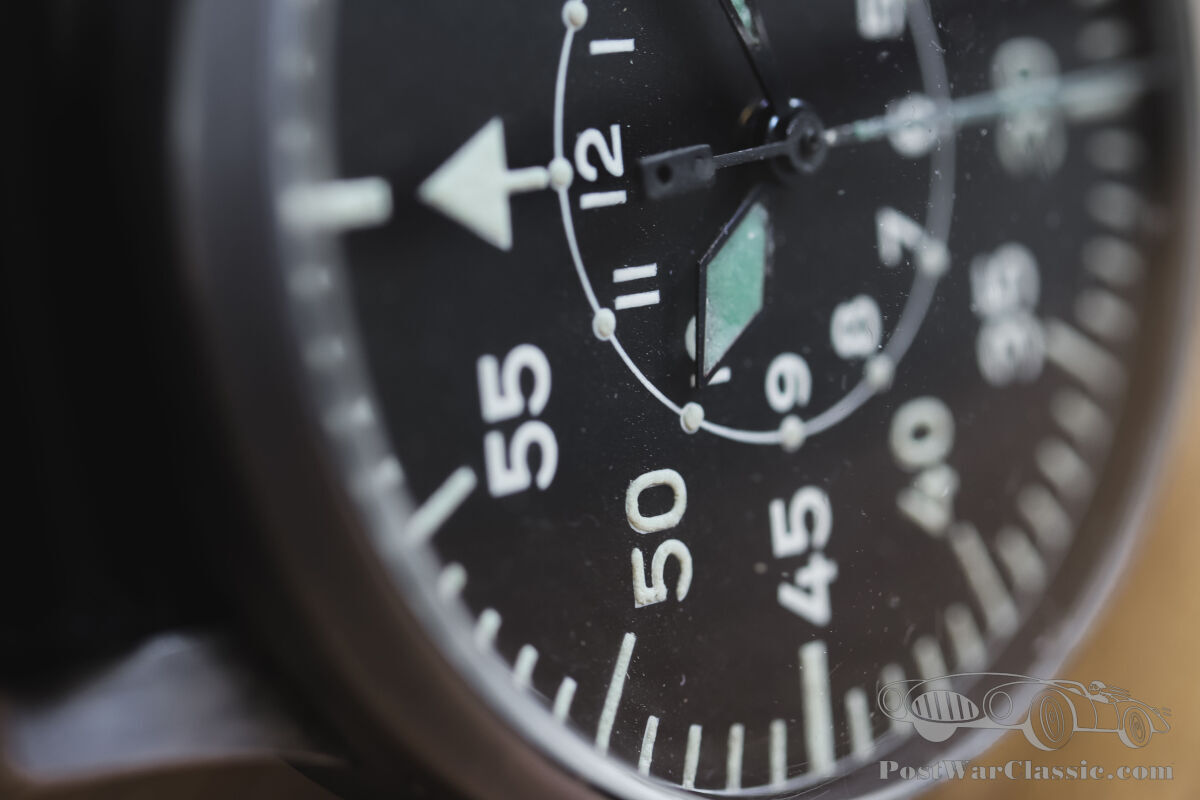


Do not get yourself confused by movies or pictures from the second world war with laughing crewmembers on it, there wasn’t anything romantic about such a war. The men who were sent out on multiple hour missions flying above hostile territory at night, they didn’t just have agony from the enemy aircraft artillery, they also had to deal with the harsch conditions on the, softly put, uncomfortable army aircrafts. The cockpit temperatures were often far below zero degrees celsius, therefore the men had to wear thick leather suits. The navigation system back in the day wasn’t even close tot he advanced systems we use nowadays. Using maps, aereal pictures, a compas and off course very precise watch the pilots were able to find the destination most of the time. Unfortunately mistakes were made quite often as well.
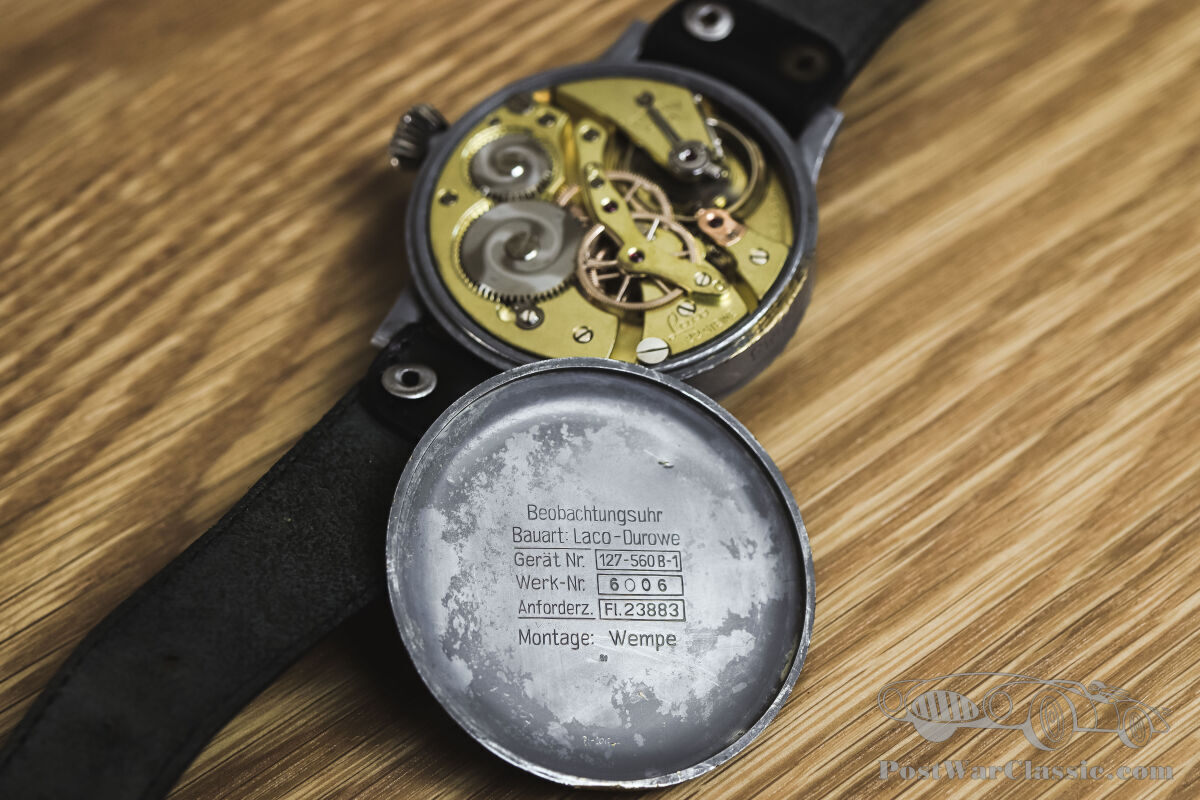
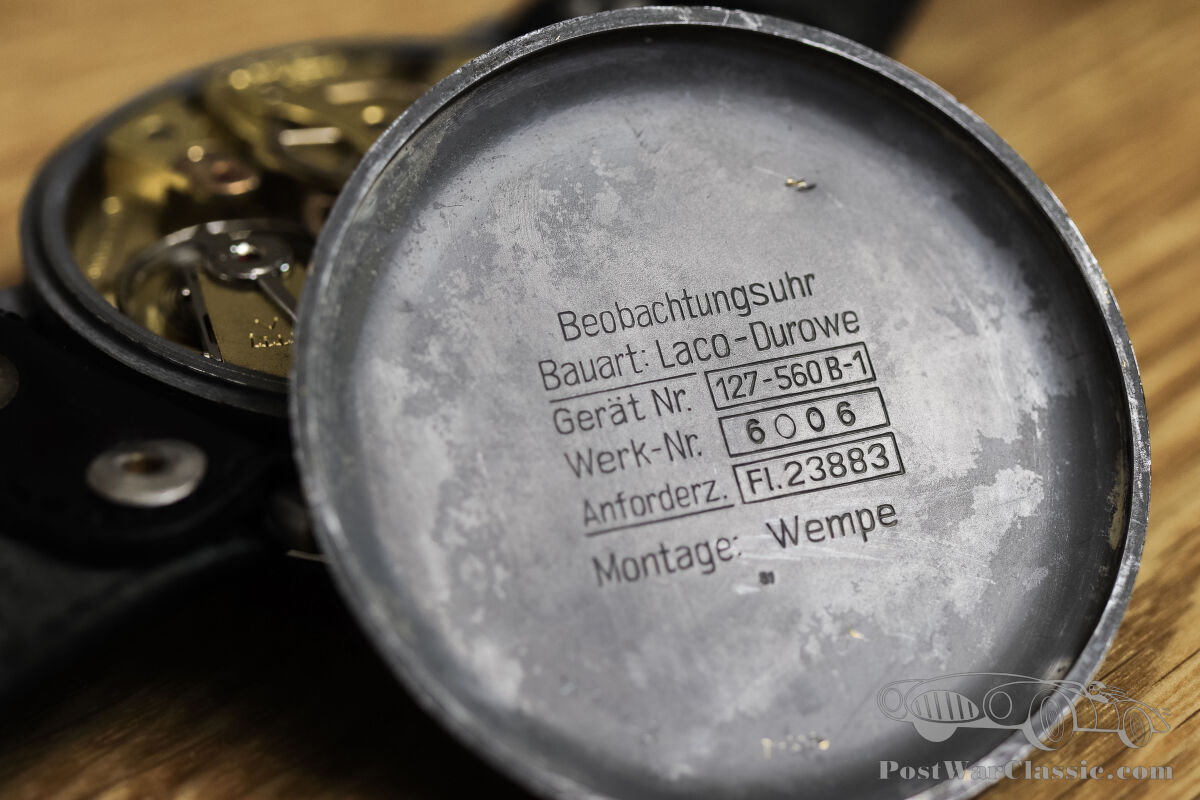
The above pictured watch was built by the german brand Laco. Watch experts gave it the nickname ‘Beobachtungsuhr’ or B-uhr’. The term ‘Flieger’ was a better description for this type of watch due to it’s purpose. Off course the English called it different, a so called ‘observers watch’. The most used name that stuck was Flieger’s or Pilot’s watch.
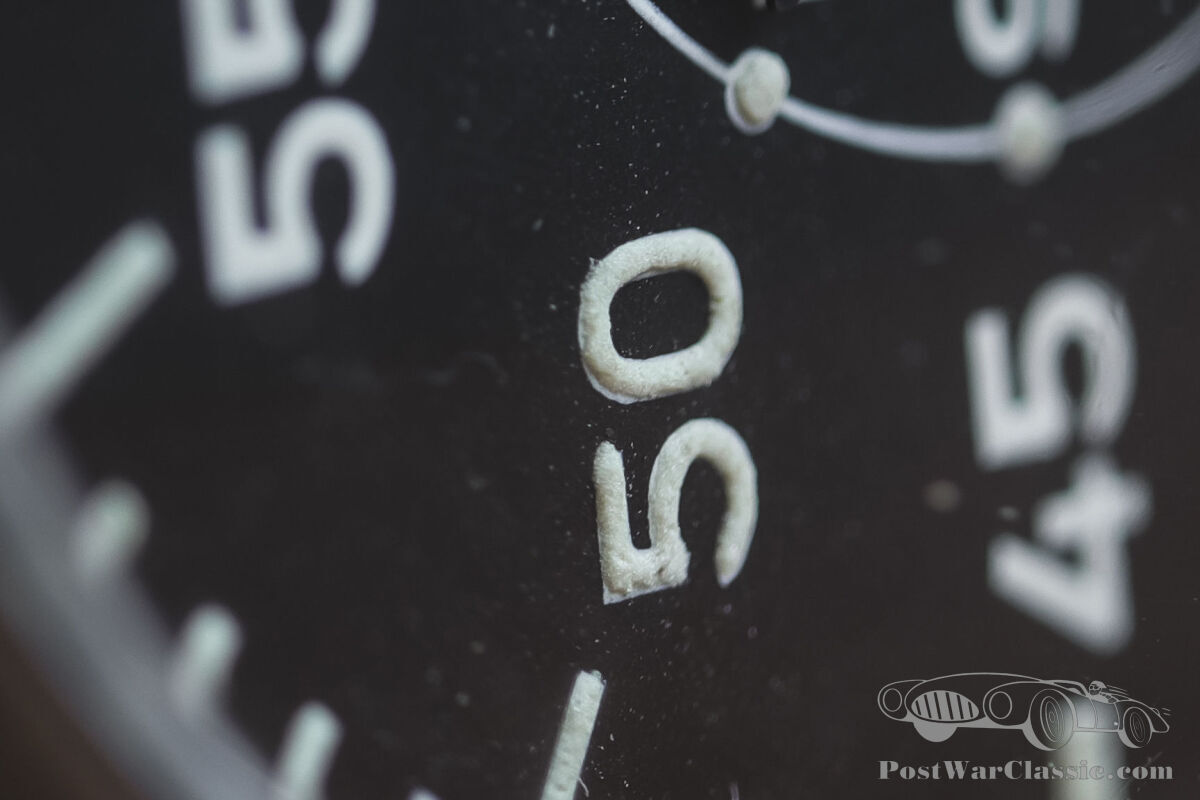
The type of warfare was more damaging that ever before. Therefore the specifications for these types of watches became more strict and precise during this timeperiod. On ships the crew often used the so called ship chronometers. These were precision hourworks with a hovered gimbal mounted structure in a wooden box. Great craftsmanship but to big and clumsy for pilots. Pilots had to keep track of time at all times, therefor they needed a device which was always within reach and with great precision in timekeeping, even at night! Thus the watches were worn on top of the sleeves of the leather suits, this explains the oversized watchstrap. Some pilots even wore treir watch on their upper leg which was easy visible when flying. The matte black dials were completed with luminous hour, minute and second indexes. Even all hands were luminous, accomplished with the then-used radium.
With a 55 millimeter case diameter these watches are enormous, and even more big when compared to the watch-fashion of that era. An unique feature for the watch at the time was that the central seconds-hand could be put to a stop. De stopping / restarting of this seconds-hand was done with the crown. This explains the extremely oversized crown on these watches. Even with gloves on the pilots had to control the time with ease.
Now you may understand why in our store we call this item an ‘instrument’ rather than a watch..
Before taking off the pilots got their instructions and their watches, property of the Luftwaffe. Before the watched were handed out each one of them was synchronised to the same time. For the perfect navigation it was important for the pilots to steer at the exact right second. When arriving back home the watches were returned again to the Luftwaffe for quality and precision tests to maintain the quality.
The precision of these watches are comparable to what we now call ‘chronometers’. When adjusting the watches to precision (again) the watches were monitored in six different positions at three different temperatures. There tests were performed by Deutschen Seewarten, the same place where the sea-chronometers were authorized.
Due to the massive amount of orders for these watches the production was allocated among five producers; Lange & Söhne, Laco (Lacher&Co), Stowa (Walter Storz), Wempe chronometerwerke Hamburg en IWC te Schaffhausen.
The hourwork used in the pilot’s watches were simply transformed pocket-watch calibers. At Lange & Söhne they transformed the much appreciated 48 / 1 caliber. However, as a result of the great demand, the final assembly couldn’t be done at Lange & Söhne because of incapacity. Therefor the final assembly of the watches was allocated to either Huber in Munich, Felsing in Berlin, Schieron in Stuttgart, Schätzle & Tschudin in Pforzheim or Wempe, Hamburg. The pilot’s watch cases were often built using nickled and brushed brass. Stainless steel wasn’t used much among pilot’s watches during the second world war. Stainless steel doesn’t wear off like brass and therefor the stainless steel models are much more desirable these days. On the inside of the caseback, locked with a simple click system, you can find information on the origin of product engraved in the steel.
That these type of watches are becoming more popular among classic car lovers doesn’t come as a surprise. Apart from the bad-ass look you’ll have with such a ‘clock’ on top of your sleeve, these watches happen to be quite practical as well, especially during rally’s! taking nowadays watch fashion into account, where ‘size matters’, pilot’s watches are solid option to anyone. Unfortunately vintage pilot’s watches don’t come along every day, they’ve become difficult pieces to get your hands on because of today’s tight watch market.
Roel van den Haak, specialised in vintage watches and owner of a watch shop in the Amsterdam based Reestraat (www.amsterdamwatchcompany.nl). Co-writer: M. Kalf
Publié:
lundi octobre 29th, 2018
Facebook
LinkedIn
Twitter
WhatsApp
Email
Copy